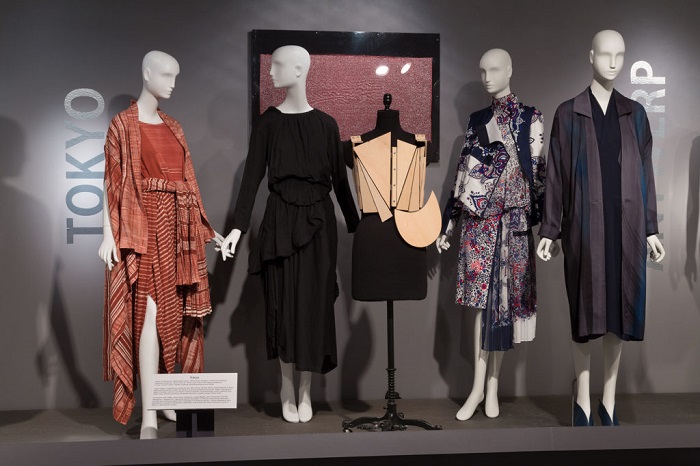
Fashion operates as an ongoing dialogue between cultural heritage, local climate, and urban lifestyle. While digital media has made aesthetic movements instantaneous and borderless, the world’s premier fashion capitals continue to project distinct sartorial philosophies that shape what people wear every day. The sharp, pragmatic tailoring seen on Manhattan sidewalks carries a fundamentally different design intent than the rebellious, textured layering of London, the architectural volumes of Tokyo, or the effortless restraint of Paris.
Understanding how apparel trends travel from regional runways to everyday wardrobes requires examining the cultural foundations of these design hubs. Rather than simply copying seasonal runway looks, building a thoughtful wardrobe involves understanding the unique approach to cut, textile, and proportion that defines each city.
New York: Pragmatic Tailoring and High-Low Functionality
New York fashion has always been anchored in kinetic movement. Manhattan moves on foot, across subway platforms, and through professional environments where an outfit must transition seamlessly from a morning strategy session to an evening event. Consequently, the defining apparel trend exported from New York is the elevated fusion of athletic utility and structured tailoring.
The hallmark of this aesthetic is relaxed modern suiting. Stiff, restrictive two-piece suits have yielded to oversized, single-breasted wool blazers layered over fine-gauge knitwear, crisp poplin shirting, or heavyweight cotton tees. Tailored wide-leg trousers are frequently cut with subtle elastication or paired with minimalist leather court sneakers, proving that polished dressing does not require physical discomfort.
Fabric choices emphasize durability and structure: technical gabardine, dense double-faced wool, compact ponte knits, and clean dark-wash denim. New York teaches the modern dresser how to build a modular wardrobe around dependable neutrals—black, camel, charcoal, and crisp ivory—where every piece communicates practical efficiency and understated authority.
Paris: Architectural Restraint and the Art of the Foundation
While global trends cycle rapidly through algorithmic micro-fads, Parisian apparel remains committed to classic foundations and intentional restraint. The Parisian aesthetic rejects performative novelty in favor of what French style designates as nonchalance—the craft of looking exceptionally well-assembled without appearing calculated.
The strength of this trend lies in investing in iconic, perennial silhouettes that serve as the visual anchor of an outfit:
-
The fluid trench coat: Reimagined with dropped shoulders, storm flaps, and generous lengths that sway with movement, worn open to reveal quiet layers beneath.
-
The tailored menswear shirt: Cut from crisp cotton poplin or washed silk, styled with rolled cuffs and tucked loosely into high-rise straight-leg jeans.
-
Fine-gauge textured knits: From classic Breton stripes to ribbed crewnecks and soft cardigans, knitwear is treated as refined daily outerwear.
Rather than relying on loud prints or oversized logos, Parisian apparel leans into surface depth. Matte wool, washed silk, textured bouclé, and soft calfskin are styled within tonally cohesive palettes. The resulting silhouette is relaxed yet sharp, celebrating garments that look better as they soften with age and regular wear.
Milan: Textile Opulence and Confident Craftsmanship
If Paris represents understated restraint, Milan is an unapologetic celebration of textile luxury and tailoring precision. Italian apparel trends are informed by generations of artisanal heritage, renowned northern Italian fabric mills, and a cultural appreciation for sprezzatura—a calculated ease that makes complex tailoring appear second nature.
Milanese tailoring prioritizes shoulder construction and the natural drape of cloth. Soft-shouldered sport coats, unlined overcoats, and double-pleated trousers highlight how premium textiles move around the body. Italian fashion champions tactile, opulent materials: brushed alpaca, double-faced cashmere, buttery lambskin, and heavy silk twill.
Color in Milan is never an afterthought. Rather than sticking exclusively to monochromatic black or grey, Milanese dressing introduces warm, earthy saturation. Deep terracotta, espresso brown, olive green, warm camel, and rich tobacco define the palette. Wearing a tobacco suede overcoat over an ivory knit demonstrates the quintessential Italian formula: confident, warm, and deeply respectful of premium materials.
London: Subcultural Rebellion and Eclectic Heritage
London fashion has long occupied the volatile intersection where aristocratic tradition meets street counterculture. From the heritage tailoring of Savile Row to the anti-establishment energy of punk and mod movements, British apparel trends thrive on deliberate friction, contrast, and irony.
The contemporary expression of this aesthetic centers on deconstructed heritage. Classic British patterns and textiles—houndstooth, tartan, Prince of Wales check, and waxed cotton—are subverted through unexpected cuts and unconventional styling pairings. A heritage plaid overcoat is paired with a distressed graphic knit, wide-leg trousers, and heavy lug-sole combat boots.
London style encourages creative juxtaposition. Delicate slip dresses are grounded by heavy utilitarian parkas, and tailored velvet jackets are worn over casual denim. This willingness to disregard rigid style rules inspires contemporary apparel brands to embrace asymmetrical hemlines, mixed-media fabrics, and utilitarian hardware, offering clothing that feels artistic, eccentric, and expressive.
Tokyo: Volumetric Mastery and Technical Streetwear
Tokyo is among the most innovative style hubs in the world, continually pushing the boundaries of silhouette, proportion, and construction. In design districts like Shibuya, Harajuku, and Daikanyama, clothing is approached with architectural intent and a complete disregard for traditional Western body contours.
The most influential trend originating in Tokyo is the intentional use of structural volume and drapery. Japanese designers introduced the wider fashion world to balloon-leg pants, cocoon coats, drop-shoulder silhouettes, and asymmetrical pleats that billow away from the body rather than outlining it. This approach shifts visual attention away from the wearer’s shape and toward the geometry of the garment itself.
Furthermore, Tokyo fashion seamlessly marries historical craftsmanship with high-performance textile engineering:
-
Heritage Japanese denim: Unwashed selvedge denim loomed on vintage shuttle machines and finished with subtle boro-inspired stitching brings artisanal weight to modern casualwear.
-
Urban functional wear: Breathable technical membranes, articulated knee darts, magnetic hardware, and modular cargo configurations are incorporated directly into clean, urban trousers and light raincoats.
By blending technical outdoor performance with sculptural tailoring, Tokyo demonstrates that everyday apparel can be utilitarian, avant-garde, and exceptionally comfortable.
Integrating Global Influences into an Everyday Wardrobe
Borrowing from global fashion capitals does not require overhauling your entire aesthetic or adopting a costume. The most compelling personal wardrobes borrow the distinct operational strengths of each city to create a versatile, well-rounded personal style.
-
Apply New York’s functional logic: Choose structured jackets and versatile trousers that transition across different settings while accommodating daily physical movement.
-
Adopt Parisian editing: Invest in a few impeccable foundational items, avoiding unnecessary visual clutter in favor of clean cuts and superior drape.
-
Incorporate Milanese fabric standards: Prioritize rich natural fibers, subtle textures, and warm, earthy hues that lend depth to simple silhouettes.
-
Channel London’s contrast: Pair formal garments with rugged or casual staples to introduce tension and personality into an outfit.
-
Experiment with Tokyo’s proportions: Introduce relaxed, wide-leg trousers or an oversized drop-shoulder overcoat to modernize your everyday silhouette.
Apparel is at its most engaging when it reflects broad horizons. By looking to the distinct design traditions of the world’s style capitals, you can step away from disposable trends and cultivate a wardrobe that is functional, confident, and enduringly refined.


