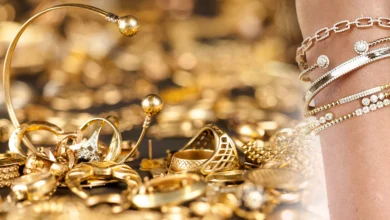
Walk into a standard jewelry showroom, and the bridal cases quickly begin to blur together. Rows of high-polish platinum bands sit alongside near-identical round brilliant solitaires, each adhering to an industry formula that has dominated the retail market for decades. While classic designs have their place, they do not speak to everyone. A wedding ring is one of the few personal possessions meant to be worn every single day across a lifetime; it functions as a constant physical companion, an anchor of shared memory, and an intimate expression of personal taste.
Couples who step outside traditional bridal boutiques are discovering that modern jewelry design offers an extraordinary spectrum of creativity. Moving away from cookie-cutter pieces does not mean abandoning durability or timeless appeal. Instead, it invites an exploration of unconventional geology, ancient metallurgical traditions, architectural silhouettes, and organic textures that reflect a couple’s unique aesthetic identity.
Character-Driven Gemstones: Embracing Geological Personality
For generations, diamond marketing insisted that the value of a stone resided entirely in its absence of flaws—the clearer, whiter, and more uniform, the better. Today, many couples are rejecting that sterile perfection in favor of gemstones with visible internal character and narrative depth.
Leading this shift are salt-and-pepper diamonds. These natural stones are filled with visible inclusions of graphite, carbon, and internal crystal structures that conventional cutters once discarded. Rather than diminishing the stone, these peppered flecks and smoky clouds create a celestial, galaxy-like appearance where no two gems are remotely identical. They offer the legendary structural durability of a diamond—scoring a ten on the Mohs hardness scale—while delivering an earthy, moody aesthetic that pairs beautifully with recycled yellow or rose gold.
Couples seeking bold color without sacrificing daily durability are also turning to parti-colored Montana sapphires. Mined responsibly in the United States, these gems display striking dichroic color zoning, shifting naturally from seafoam green to deep teal and golden yellow depending on the lighting. Because sapphires measure a nine on the Mohs scale, they easily withstand daily friction, handwashing, and hard wear without the risk of scuffing that plagues softer gemstones like opals or emeralds.
Artisanal Metallurgy: Moving Beyond Mirror Polish
The standard mirror-polished gold band has a major practical drawback: within months of real-world wear, everyday door handles, gym barbells, and kitchen tools scratch the surface, creating an accidental, uneven scuffing. Contemporary metalsmiths bypass this issue entirely by incorporating intentional, artisanal surface textures from day one.
Hammered facets, stippled matte finishes, and raw-cast bark textures celebrate the tactile qualities of the metal itself. An especially compelling technique experiencing a renaissance is Mokume Gane, a seventeenth-century Japanese metalworking method originally developed to decorate samurai sword hilts. Masters of the craft fuse alternating thin sheets of contrasting precious metals—such as palladium, white gold, yellow gold, and sterling silver—through intense heat and pressure, then twist and carve the billet to reveal an organic pattern resembling flowing water or natural wood grain.
For those who prefer a darker, more understated metal profile, tantalum has emerged as a superior alternative to titanium or tungsten. Tantalum is a dense, shatter-resistant metal with a natural slate-blue-gray hue. Unlike tungsten carbide, which is brittle and cannot be resized, tantalum is ductile, hypoallergenic, and can be professionally expanded or trimmed by a bench jeweler should your finger size fluctuate over the years.
Structural Innovation: Architectural Silhouettes and Asymmetry
Traditional rings emphasize perfect symmetry, placing the largest stone dead center inside rigid four- or six-prong baskets. Progressive jewelers are breaking those geometric boundaries with asymmetrical arrangements and sculptural bands designed around negative space.
-
Asymmetrical constellation clusters: Instead of a single focal gem, cluster bands group varying cuts—such as marquise, baguette, and pear stones—into an organic, drifting constellation across the finger. This approach feels artistic and dynamic, catching the light from multiple angles as the hand moves.
-
Modernized Toi et Moi rings: Made famous by Napoleon Bonaparte, the “you and me” two-stone design has been radically updated. Modern couples deliberately contrast shapes and materials, pairing an austere emerald-cut diamond with a soft, round cabochon sapphire or an unheated ruby to symbolize two distinct personalities coming together.
-
Low-profile bezel and flush gypsy settings: Elevated prongs snag on knitwear, catch in pockets, and loosen over time. Bezel settings encase the perimeter of the stone in a continuous rim of protective metal, providing a sleek, modern architectural profile that sits flush against the skin, making it ideal for active lifestyles.
Cosmic and Organic Inlays: Carrying Living History
For bands that prioritize subtle wonder over sparkling gems, inlays offer an understated way to incorporate materials with genuine historical weight.
One of the most visually captivating materials utilized in bespoke wedding bands is Gibeon meteorite. Sourced from prehistoric meteor strikes, this iron-nickel alloy is cut, polished, and bathed in a mild acid solution to reveal natural Widmanstätten patterns. These intricate, crisscrossing crystalline bands take millions of years of cooling in the vacuum of space to form, ensuring that your ring carries a tangible piece of celestial antiquity.
Other artisans seamlessly integrate thin inlays of reclaimed whiskey barrel white oak, hand-selected turquoise, fossilized dinosaur bone, or dark woven carbon fiber. When commissioning an inlay band, work with a jeweler who uses aerospace-grade resin sealing. Because organic materials can degrade when exposed to moisture and household solvents, proper stabilizing techniques ensure your ring remains completely waterproof through decades of handwashing.
Intimate Details: The Power of Hidden Customization
Not every design statement needs to be announced to the rest of the room. Some of the most meaningful rings keep their most distinctive features tucked quietly against the skin.
Jewelers can set a small, flush secret gemstone on the inner shank of the band, hidden from view but resting permanently against the finger. Other couples carve the topographical contour lines of a mountain range where they met, translate personal vows into soundwave engravings, or take advantage of specialized laser engraving to duplicate their partner’s actual handwriting inside the curve of the metal.
A wedding ring should never feel like an obligation to conform to someone else’s bridal expectations. Whether your eye is drawn to the rugged poetry of a textured tantalum band, the celestial character of a salt-and-pepper diamond, or the flowing lines of a hand-forged Mokume Gane ring, choosing a design outside the mainstream ensures that your ring remains an authentic reflection of who you are. By prioritizing enduring craftsmanship and personal meaning over retail tradition, you create an heirloom that feels entirely your own from the moment you put it on.