The Enduring Beauty of Adornment
Jewelry has long served as a universal language of elegance, identity, and heritage. Across civilizations, adornments crafted from metals, gems, and organic materials have carried meanings that transcend time. From royal crowns to simple charm bracelets, these pieces tell stories of culture, craftsmanship, and personal expression.
The Evolution of Jewelry Through History
Ancient Beginnings
The earliest jewelry pieces were created from shells, bones, and stones, symbolizing both beauty and status. Civilizations such as the Egyptians and Mesopotamians advanced the art with goldwork, intricate bead craftsmanship, and the use of vibrant gemstones.
Medieval to Renaissance Craftsmanship
During these eras, jewelry became more ornate and symbolic. Religious motifs, family crests, and precious metals dominated, showcasing wealth and power.
Modern Expressions
Today’s jewelry blends tradition with innovation. From minimalist styles to bold statement pieces, contemporary designers embrace ethical sourcing, lab-grown diamonds, and sustainable materials, reflecting evolving consumer values.
Popular Types of Jewelry
Rings
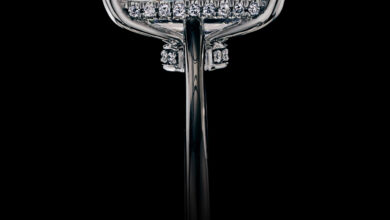
Rings are symbols of commitment, heritage, and personal taste. Designs range from simple metal bands to elaborate arrangements of diamonds and gemstones.
Necklaces
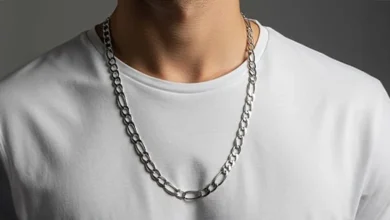
Necklaces provide a versatile form of adornment. Popular styles include:
- Pendant necklaces
- Chokers
- Chains
- Layered combinations
Bracelets
From bangles to charm bracelets, these wrist adornments offer endless opportunities for meaningful personalization.
Earrings
Earrings frame the face and enhance aesthetic appeal. Choices span from studs and hoops to drop earrings and cuffs.
Materials That Define Jewelry
Precious Metals
Gold, silver, and platinum remain the most coveted materials. Their durability, luster, and versatility keep them at the forefront of jewelry design.
Gemstones
Jewelry is elevated by gemstones such as:
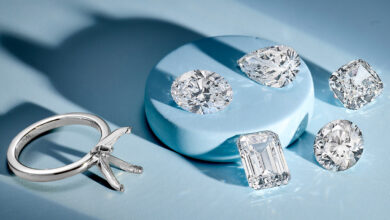
- Diamonds
- Emeralds
- Sapphires
- Rubies
Each stone carries unique symbolism, making jewelry deeply personal.
Alternative and Sustainable Materials
Modern consumers increasingly value materials like recycled metals, lab-created stones, and even innovative bio-materials.
How to Choose the Perfect Jewelry
Identify Your Style
Consider whether you prefer classic elegance, contemporary minimalism, or bold statement pieces.
Evaluate Quality
Look for hallmarks, gemstone clarity, craftsmanship details, and settings that ensure longevity.
Consider the Occasion
Daily wear pieces differ from special-occasion jewelry. Match style and durability to the intended use.
Embrace Meaning
Many individuals choose pieces that carry emotional significance—birthstones, custom engravings, and family heirlooms enrich personal identity.
Caring for Your Jewelry
Cleaning Tips
- Use mild soap and warm water for most metals
- Avoid harsh chemicals
- Gently polish with a soft cloth
Storage Recommendations
Store items separately to avoid scratches. For delicate gemstones, maintain proper humidity and temperature levels.
Professional Maintenance
Periodic professional cleaning and inspection can prevent damage and preserve brilliance.
FAQs
1. What is the best metal for everyday jewelry?
Gold and platinum are durable options suitable for daily wear.
2. How can I tell if a gemstone is genuine?
A certified gemologist or reputable jeweler can verify authenticity through testing.
3. Are lab-grown diamonds real diamonds?
Yes, they possess the same physical and chemical properties as natural diamonds.
4. What’s the safest way to clean delicate gemstones?
Use lukewarm water, mild soap, and a soft brush, avoiding ultrasonic cleaners.
5. How should I store silver jewelry to prevent tarnishing?
Keep it in airtight containers or anti-tarnish bags.
6. Why does some jewelry cause skin irritation?
Nickel and certain alloys can trigger reactions in sensitive individuals.
7. Is it worth investing in vintage jewelry?
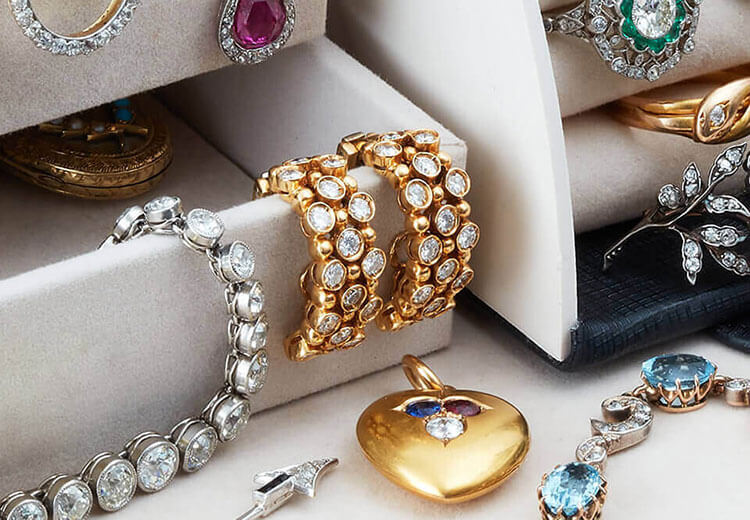
Vintage pieces often hold unique craftsmanship and long-term value.