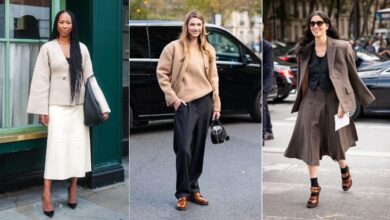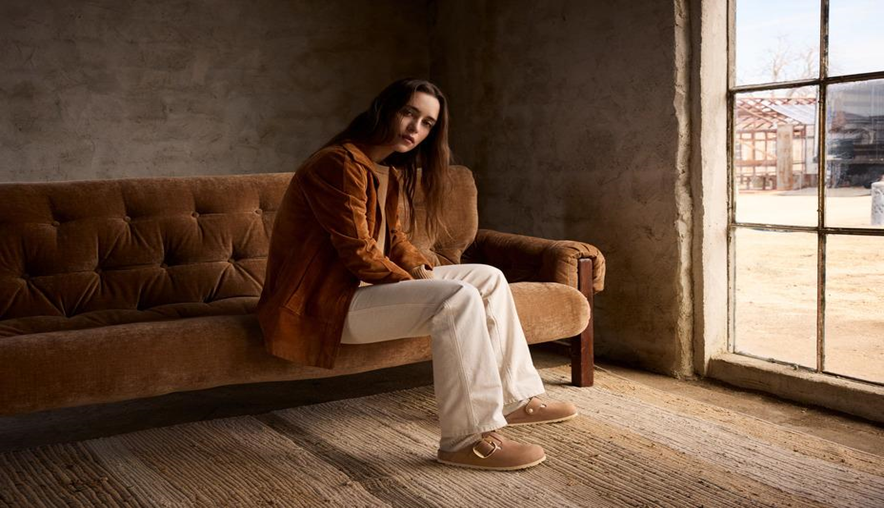
There was a time when clogs for women and men meant hospital corridors and kitchen floors. Then something shifted. Street style photographers started pointing their lenses downward. Stylists began pairing chunky soles with tailored trousers. And suddenly, the footwear that was supposedly built for utility was showing up in lookbooks, on runways, and in the wardrobes of people who care deeply about both aesthetics and how their feet feel at the end of a long day.
This is not a coincidence. It is a cultural correction.
Why the clog era makes complete sense
- The comfort reckoning was always coming
Pandemic-era living rewired our relationship with shoes. Once people spent two years working from home in socks, going back to pinched toes felt genuinely absurd. Classic footwear that also happened to support the foot properly stopped being a niche concern and became a mainstream demand. Clogs, with their wide toe box and structured footbed, were perfectly positioned to answer it.
- They carry an outfit instead of competing with it
A great pair of men’s and women’s sandals or clogs does what good supporting characters do: it lets the rest of the look breathe. Slip-on styles work with linen, denim, tailoring, and swimwear. They are styling neutrals that happen to make a visual statement, which is a genuinely rare combination.
- The “ugly shoe” cycle reached its logical conclusion
Fashion always reclaims what it once rejected. Platform trainers, dad shoes, rubber slides. The clog was simply next in the rotation. But unlike some of its peers, the clog had actual structural merit on its side, which meant that once the style adopted it, there was no reason to let it go.
- Design finally caught up with demand
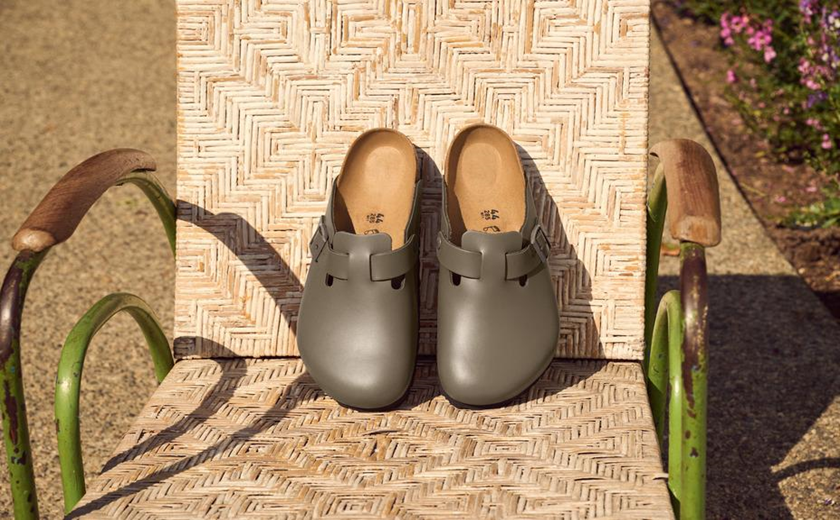
Modern clog silhouettes bear little resemblance to their carved-wood predecessors. Today’s versions come in suede, leather, and other materials, with footbeds engineered for actual biomechanical support. The Boston from Birkenstock, for instance, pairs a deep heel cup and cork-latex footbed with a shape that has become one of the most referenced silhouettes in classic footwear conversations in recent years.
- Versatility takes over the wardrobe
Morning commute, afternoon coffee run, evening dinner: one pair, many contexts. That kind of versatility is rare in footwear, and people notice. It is the quiet utility that makes a pair feel indispensable rather than optional. When something works everywhere, it stops feeling like a choice and starts becoming a habit.
Comfort is not a trend. It is a shift.
What the clog moment reveals is something larger than footwear: a generation that refuses to perform discomfort in the name of aesthetics. The idea that men and women’s sandals must be stiff, structured, and occasionally painful is quietly being retired.
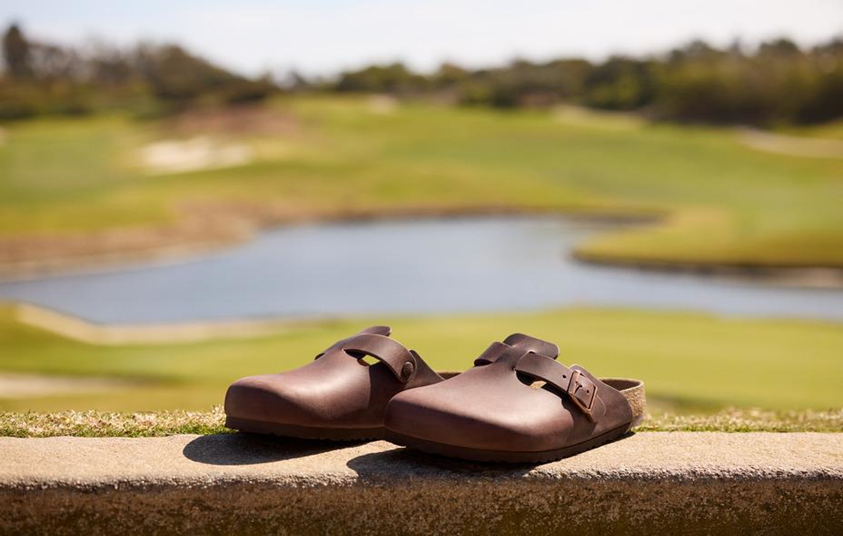
Clogs for women and men sit at this intersection. They are not trying to be a trend. They are trying to be useful, and in being genuinely useful, they have become genuinely desirable. That is a harder trick to pull off than most people realise, and it is exactly why the category is not going anywhere.
The verdict
Somewhere along the way, the conversation stopped being about whether clogs for women and men belonged in a serious wardrobe and started being about how to style them for every occasion worth dressing for. A thong silhouette for a rooftop dinner. A closed-toe mule for the commute. A chunky clog for everything else. The foot-first philosophy turned out to be the right one all along. Fashion just needed a moment to catch up.