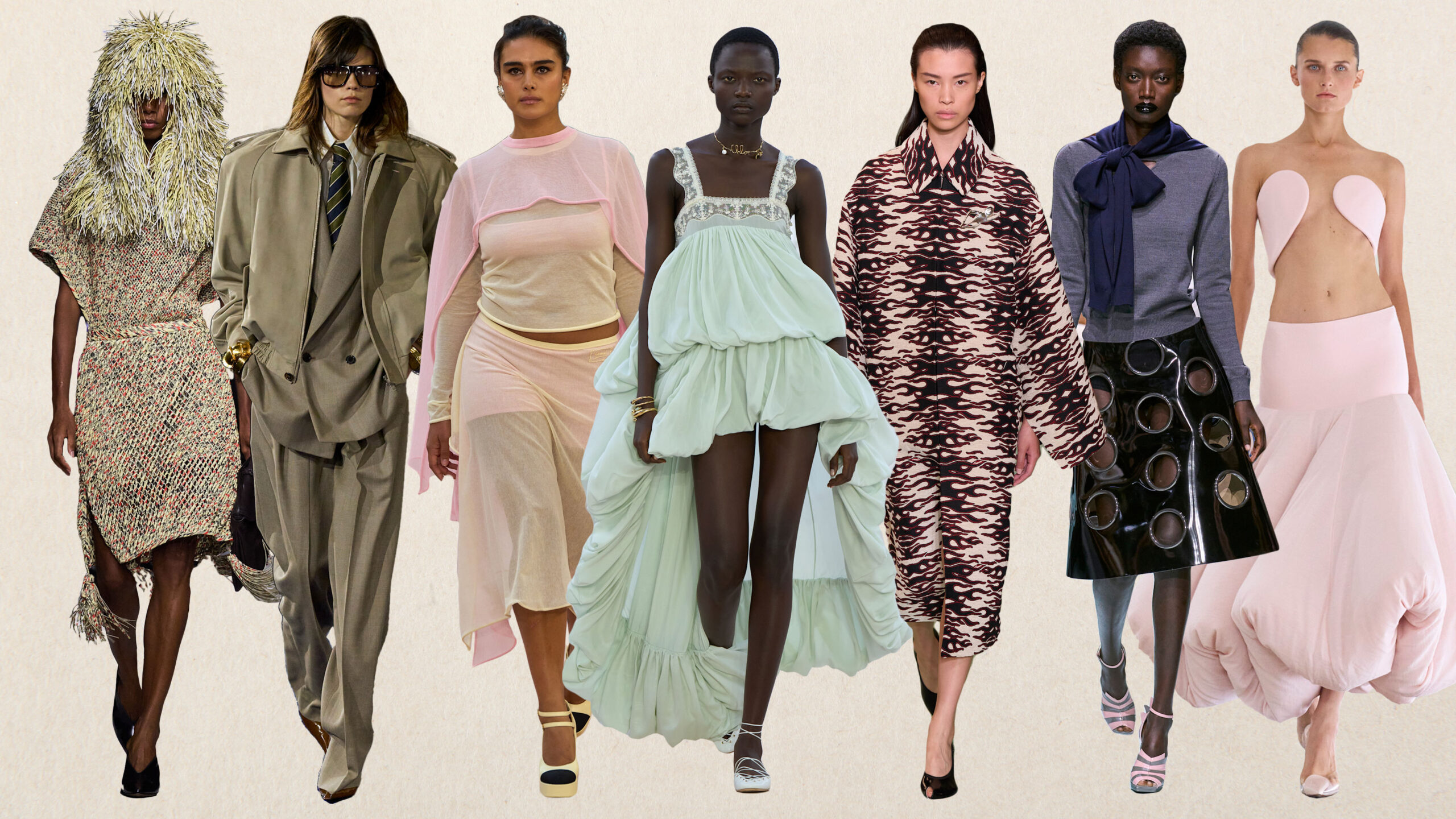
The Nature of Trends
Trends reflect how society evolves—what people value, how they behave, and the ideas that shape everyday life. They emerge in fashion, technology, business, culture, and lifestyle, often influenced by innovation, social change, and global events. Understanding trends helps individuals and businesses stay relevant and adaptable.
What Drives Trends?
Social Influence
Cultural movements, community interests, and shared experiences heavily shape what becomes popular. Social media plays a major role in amplifying conversations and accelerating global adoption.
Technology
Technological progress introduces new possibilities. Innovations such as AI, wearable tech, and virtual reality consistently spark fresh trends across industries.
Economic Factors
Consumer spending habits, market shifts, and global economic conditions influence what people buy and prioritize.
Environmental Awareness
Growing focus on sustainability drives trends such as eco-friendly fashion, minimalism, green tech, and conscious consumption.
Key Types of Trends
Fashion & Style Trends
Fashion trends evolve quickly, influenced by designers, celebrities, and cultural waves. Key fashion movements often include:
- Minimalist wardrobes
- Sustainable fabrics
- Retro revivals
- Bold colors and experimental silhouettes
Technology Trends
Tech trends shape the future by improving convenience and connectivity. Emerging examples include:
- Artificial intelligence integration
- Smart home devices
- Augmented and virtual reality
- Wearable health tech
Lifestyle Trends
These trends reflect changes in how people live, work, and maintain well-being. Popular themes include:
- Remote and hybrid work
- Wellness routines
- Mindful living
- Experience-focused consumption
Business & Marketing Trends
Companies adapt to new consumer behaviors through:
- Personalized shopping experiences
- Influencer partnerships
- Subscription-based models
- Sustainability-driven branding
How Trends Spread
Social Media & Digital Platforms
Platforms like Instagram, TikTok, and YouTube accelerate trend adoption. Viral content can turn a simple idea into a global movement overnight.
Influencers & Public Figures
Celebrities, industry experts, and digital creators have strong impact on public preferences. Their endorsements often spark widespread interest.
Consumer Behavior
Trends thrive when they align with people’s needs, aspirations, and lifestyles.
Industry Innovation
Brands and designers introduce concepts that inspire new directions in fashion, tech, and culture.
Why Trends Matter
For Individuals
Trends offer inspiration and help develop personal style. They also provide insight into cultural shifts that affect daily life.
For Businesses
Understanding trends helps companies stay competitive, create relevant products, and meet changing consumer expectations.
For Society
Trends reflect collective priorities, such as sustainability, health, creativity, and technological progress.
Identifying Real vs. Short-Lived Trends
Long-Term Trends
These emerge slowly and influence behavior for years, such as sustainability, digital transformation, and wellness.
Short-Term Fads
Quick bursts of popularity that fade rapidly—viral challenges or novelty items are typical examples.
Recognizing the Difference
Look for:
- Longevity in consumer interest
- Industry adoption
- Practical value
- Cultural relevance
FAQs
1. How do trends typically start?
Trends often begin with early adopters—designers, digital creators, or innovators—then spread through social influence and media.
2. Are trends the same across all countries?
No, trends vary by culture, although globalization and social media create many shared global movements.
3. How can businesses keep up with new trends?
Monitoring consumer behavior, market data, and digital platforms helps companies stay informed.
4. What makes a trend last long-term?
Relevance, practicality, and alignment with societal values often determine longevity.
5. Can individuals create trends?
Yes, individuals—especially influencers—can spark trends by sharing unique ideas or styles.
6. How do economic conditions affect trends?
During economic shifts, people adjust spending habits, which influences demand and the direction of popular trends.
7. How can I tell if a trend suits me?
Choose trends that align with your lifestyle, comfort, and personal taste instead of following them blindly.


