What Beauty Really Means
Beauty goes beyond attractive features or flawless skin—it blends personal expression, self-confidence, cultural influences, and well-being. It reflects how individuals perceive themselves and how they project their identity to the world.
Key Elements of Beauty
Skincare
A healthy complexion forms the foundation of beauty. Proper skincare enhances texture, clarity, and vibrance.
Core skincare steps include:
- Cleansing
- Exfoliating
- Moisturizing
- Sun protection
Makeup
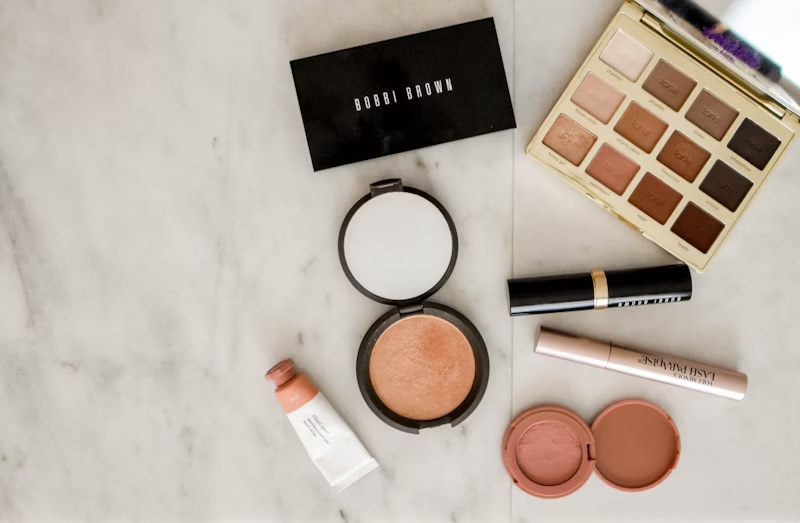
Makeup adds creativity, polish, and definition to facial features. It can transform a look subtly or dramatically depending on the occasion.
Common makeup essentials:
- Foundation
- Eyeliner and mascara
- Lipstick
- Highlighters and blush
Haircare
Well-maintained hair boosts confidence and elevates personal style.
Important haircare considerations include:
- Regular cleansing and conditioning
- Suitable hair treatments
- Heat protection
- Scalp health
Fragrance
Scents express mood and personality. Subtle or bold, they influence presence and leave lasting impressions.
Wellness
True beauty thrives when supported by a healthy lifestyle.
Contributing factors:
- Adequate hydration
- Balanced nutrition
- Stress management
- Quality sleep
Popular Beauty Trends
Clean Beauty
Products free from harsh chemicals and synthetic additives are gaining popularity. Consumers favor natural, safe, and transparent formulas.
Minimalist Makeup
There is rising interest in simple looks focused on glowing skin, soft tones, and understated elegance.
Personalized Skincare
Customization based on skin type, concerns, and environmental factors enhances results and product effectiveness.
Beauty Tech
Smart devices for facial analysis, LED therapy, and virtual try-on tools are redefining modern beauty routines.
Choosing the Right Beauty Products
Understand Your Skin Type
Knowing whether your skin is oily, dry, combination, or sensitive helps in selecting effective products.
Read Ingredient Labels
Look for beneficial ingredients such as hyaluronic acid, vitamin C, and niacinamide, while avoiding irritants if you have sensitive skin.
Consider Lifestyle Factors
Climate, daily exposure, and activity levels play a major role in choosing the right beauty regimen.
Patch Testing
Testing products before full use helps prevent reactions and ensures compatibility with your skin.
Maintaining a Consistent Beauty Routine
Morning Tips
- Cleanse lightly
- Apply antioxidant serums
- Use sunscreen daily
Evening Tips
- Remove makeup thoroughly
- Apply treatment serums
- Use nourishing moisturizers
Frequently Asked Questions (FAQ)
1. How often should I exfoliate my skin?
Most skin types benefit from exfoliating 1–2 times a week, depending on sensitivity.
2. What is the best age to start anti-aging products?
Gentle anti-aging routines can begin in the mid-20s to support long-term skin health.
3. Which ingredients should I avoid if I have sensitive skin?
Alcohol-heavy formulas, synthetic fragrances, and harsh exfoliants may cause irritation.
4. Are natural beauty products always better?
Not always. Natural products can be effective, but formulation quality and skin compatibility matter most.
5. Can makeup damage my skin?
Makeup does not harm skin when removed properly and complemented by a good skincare routine.
6. What is the ideal SPF for daily use?
SPF 30 or higher is generally recommended for everyday protection.
7. How can I make my makeup last longer?
Using primers, setting sprays, and lightweight layers can improve longevity.
Meta Title
Beauty Guide: Skincare, Makeup, Haircare & Modern Beauty Trends
Meta Description
Explore a complete guide to beauty, including skincare essentials, makeup tips, haircare routines, emerging trends, and expert advice for a healthier, radiant appearance.


