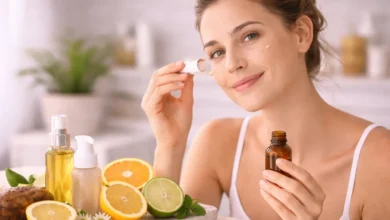
For decades, the luxury beauty sector operated on a predictable formula of conspicuous consumption. Prestige was communicated through physical excess: multi-tiered cardboard boxes wrapped in cellophane, flacons made of weighted virgin glass, gold-embossed caps, and poetic marketing copy celebrating rare, wild-harvested botanicals from remote corners of the world. In this traditional model, weight was synonymous with quality, and theatrical packaging served as the primary justification for three-figure price tags.
That paradigm is undergoing a structural collapse. Today’s prestige consumer is increasingly educated, ingredient-conscious, and skeptical of superficial marketing narratives. Modern consumers recognize that excessive packaging often disguises uninspired formulations and that ecological negligence is the antithesis of sophistication. Meanwhile, nimble, sustainability-first indie brands have demonstrated that environmental responsibility does not require sacrificing sensorial elegance or clinical efficacy. To maintain their cultural and economic authority, legacy luxury houses must look to sustainable innovators not as niche competitors to be co-opted, but as architects of a more refined, future-proof definition of luxury.
Redefining Weight and Durability in Prestige Packaging
The belief that heavier packaging naturally equals higher value is an outdated industrial heuristic. Virgin acrylics, zamak metal alloy caps, and complex multi-material compacts are heavy in the hand, yet they are almost entirely non-recyclable, doomed to sit in landfills for centuries. Sustainable innovators have inverted this logic by treating packaging not as an elaborate single-use wrapper, but as an enduring piece of physical design.
True circularity in beauty lies in heirloom architecture. Instead of selling a customer a heavy new jar every two months, visionary brands design gorgeous, permanent outer vessels engineered from hand-finished ceramics, milled aluminum, or architectural-grade glass meant to live permanently on a vanity. The consumable product arrives in minimalist, ultra-lightweight, high-yield recycled or compostable inner pods that snap seamlessly into place.
This approach elevates the customer ritual. Refilling an exquisitely machined compact feels deliberate and elevated, transforming a routine repurchase into an intimate interaction with a keepsake object. By separating the permanent vessel from the consumable formula, luxury brands can direct their manufacturing budgets toward artisanal craftsmanship and durable materials rather than disposable glamour.
Biotechnology Over Romanticized Agricultural Extraction
Prestige skincare has historically relied on the romance of scarce botanicals—rare alpine roses, deep-sea microalgae, or hand-picked nocturnal blossoms. Yet agricultural extraction at commercial scale poses severe logistical and ecological liabilities. It requires vast tracts of arable land, consumes millions of gallons of water, and leaves supply chains vulnerable to climate instability and erratic crop yields. More importantly, the active molecules derived from field-grown plants fluctuate wildly from batch to batch based on soil conditions and weather.
Sustainable innovators have moved beyond soil-based agriculture, embracing cellular biotechnology and precision fermentation. By sequencing the genomes of rare botanical species, bio-engineers can program micro-organisms, such as yeast or algae, to produce identical active molecules within closed-loop bioreactors.
-
Bio-identical purity: Fermentation produces clean, highly concentrated molecules entirely free from agricultural pesticides, heavy metals, or seasonal contamination.
-
Clinical reproducibility: Every production run delivers an exact molecular profile, guaranteeing that the customer experiences identical biological efficacy with every bottle.
-
Ecosystem preservation: Cultivating complex polyphenols, squalane, and peptides in a laboratory bioreactor starves no natural ecosystems, consumes a fraction of the water, and leaves sensitive wild habitats intact.
Biotechnology replaces the antiquated myth of wild harvesting with genuine scientific exclusivity. For a luxury brand, investing in proprietary lab-grown cellular synthesis offers far greater brand equity and clinical distinction than simply scouring the globe for an endangered plant.
The Sophistication of Upcycled Raw Materials
The circular economy is frequently misconstrued as an exercise in compromise, but sustainable innovators have demonstrated that upcycled ingredients can deliver exceptional functional performance. The food, agriculture, and forestry sectors generate enormous volumes of nutrient-dense secondary streams—cold-pressed seed cakes, spent coffee grounds, citrus rinds, and wood pulp—that are routinely discarded despite being rich in antioxidants, essential fatty acids, and active enzymes.
Pioneering formulators rescue these pristine byproducts, utilizing advanced green chemistry extraction techniques like supercritical carbon dioxide fluid extraction to isolate potent phyto-compounds. An oil extracted from upcycled blueberry seeds discarded during juice manufacturing, for instance, provides a defensive barrier against blue light and oxidative stress while maintaining an exquisite, silky lipid profile.
For heritage beauty houses, integrating upcycled side-streams transforms supply chain procurement into a compelling narrative of resourcefulness and ecological intelligence. It demonstrates that the brand possesses the chemical mastery required to turn overlooked biological materials into high-performance sensorial treatments.
Radical Supply Chain Transparency as the New Exclusivity
For generations, luxury brands guarded their formulations behind a wall of manufactured mystique. Proprietary complexes were shrouded in vague, trademarked trade secrets, and ingredient origin stories leaned into gauzy, fictionalized fairy tales. In the digital era, where third-party databases, independent cosmetic chemists, and regulatory watchdogs can deconstruct an ingredient deck in seconds, deliberate opacity reads as deceit or complacency.
Sustainable beauty leaders have turned radical operational transparency into their core competitive advantage. These brands openly publish third-party Life Cycle Assessments (LCAs), track Scope 1, 2, and 3 carbon footprints, and map every node of their raw ingredient sourcing down to the individual cooperative or processing plant.
Embracing this level of exposure requires rigorous operational self-awareness. When a company voluntarily discloses its supply chain audits, fair-wage certifications, and ethical extraction methods, it signals absolute confidence in its operations. For the modern high-net-worth consumer, knowing that a serum was formulated without exploitative labor practices or ecological destruction is the ultimate standard of prestige.
Sensory Excellence Through Minimalist Green Chemistry
A persistent defense of conventional beauty formulations was that clean, sustainable alternatives could not replicate the slip, glide, and instant payoff of petroleum derivatives and volatile silicones. Conventional products achieved their velvety finish using cheap synthetic texturizers, microplastics, and film-forming polymers that coat the skin in an inert synthetic film without providing genuine biological nourishment.
Sustainable formulators rejected these shortcuts, proving that green chemistry can achieve extraordinary sensorial finishes through complex, biocompatible materials. By employing plant-derived hemi-squalane, fermented lipid complexes, and natural polysaccharide films, innovators create lightweight emulsions that sink deeply into the skin barrier rather than sitting on top of it.
Developing an ultra-luxurious cream using only biodegradable, skin-assimilable ingredients requires significantly higher formulation skill and investment than relying on standard petrochemical bases. When a luxury brand embraces green chemistry, it delivers a formulation that feels sophisticated on the skin while actively supporting long-term barrier resilience.
Luxury has never been about preserving the status quo; historically, the greatest luxury houses achieved prominence by leading cultural and aesthetic revolutions. Viewing environmental sustainability as a compliance checklist or a philanthropic afterthought is an operational mistake. By embracing circular heirloom packaging, bio-synthetic active ingredients, upcycled resources, and unflinching supply chain integrity, luxury beauty can reclaim its position as the pinnacle of human ingenuity, craftsmanship, and timeless value.