Why Barefoot Shoes are the Ultimate Game Changer for Women
Understanding the Natural Foot Movement
Barefoot shoes are designed to replicate the natural movement of the foot, allowing the toes to spread and the foot to bend just as it would when walking without shoes. This concept is based on the belief that conventional footwear particularly styles with raised heels and stiff construction can interfere with the way the foot is meant to move. In contrast, barefoot shoes for women are created to support natural motion while still offering protection for everyday use. Long before modern footwear existed, our ancestors walked across rocky paths and uneven terrain without cushioned soles or built-in arch support. Over time, their feet developed strength and adaptability through consistent, natural movement. Today, many modern shoes encourage dependence on artificial support, which can contribute to foot concerns such as plantar fasciitis, bunions, and hammertoes. By choosing barefoot-style footwear, women may support a more natural walking pattern, improve posture, and lessen strain on other parts of the body. As women become more active in sports, fitness, and busy daily routines, recognizing the role of foot biomechanics is increasingly important for both comfort and performance.
The Importance of Foot Health and Its Impact on Overall Well-being
Foot health is often overlooked in discussions about overall well-being, yet it plays a vital role in our physical health. The feet house numerous bones, muscles, and ligaments, and they are the foundation of our body. When feet are unsupported or improperly aligned, it can lead to a ripple effect impacting the knees, hips, and even the spine. Conditions such as flat feet or high arches, often exacerbated by conventional shoe choices, can contribute to misalignment and chronic pain. Barefoot shoes promote an ergonomic structure that supports the natural curve of the foot, allowing the arches to function more effectively and reducing the likelihood of injury. Furthermore, when women invest in their foot health through barefoot footwear, they may also experience enhancements in their athletic performance, increased energy, and improved balance, all of which contribute to a higher quality of life.
Breaking Free from Conventional Footwear: A Personal Journey
For many women, the transition from conventional footwear to barefoot shoes is not just about changing shoes; it’s a journey of self-discovery and empowerment. Personal stories often highlight a struggle against societal norms that dictate what ‘acceptable’ footwear looks like. Many women have shared their experiences of discomfort and pain from wearing heels or stiff shoes, illustrating how these choices restricted their freedom of movement. Transitioning to barefoot shoes is frequently described as liberating. It offers a chance to reconnect with one’s body and embrace a more natural lifestyle. This journey also intersects with a broader cultural movement towards minimalism and sustainability. Women who adopt barefoot shoes often find that they not only feel physically better but also align their footwear choices with their values of authenticity and simplicity. The shift represents breaking away from fashion norms into a realm where comfort and health reign supreme, creating a more profound sense of identity and well-being.
Choosing the Right Barefoot Shoes: A Guide for Every Occasion
Exploring Styles: From Casual to Performance Footwear
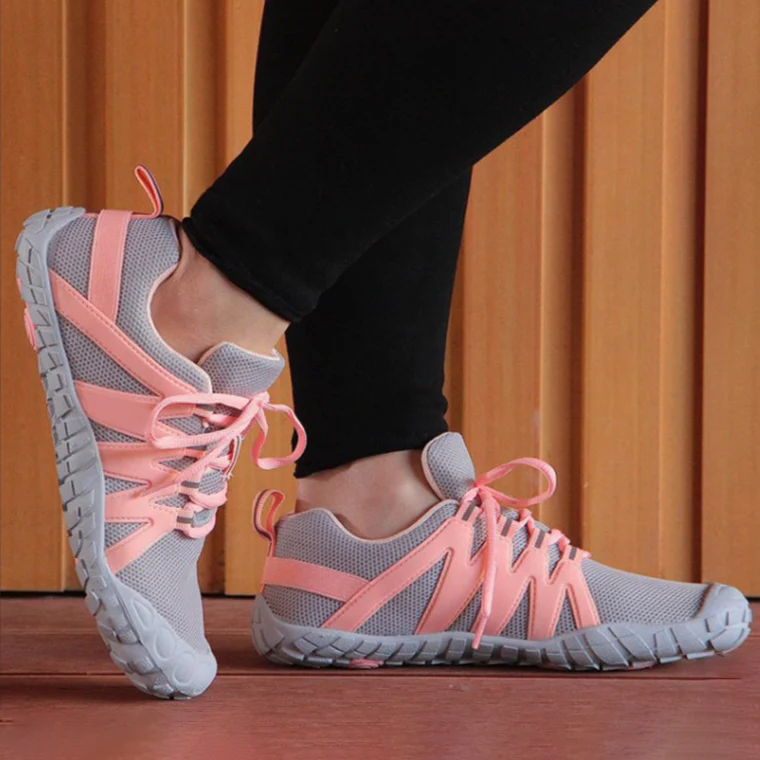
Barefoot shoes come in a variety of styles that cater to different occasions and activities. From everyday casual wear to high-performance athletic gear, the options are expansive. Casual barefoot shoes often feature lightweight materials and minimalist designs, making them ideal for routine activities such as running errands or taking a leisurely stroll in the park. Brands have started to incorporate vibrant colors and trendy designs into their collections, ensuring that barefoot footwear aligns with a modern aesthetic without sacrificing comfort. On the other hand, performance barefoot shoes are engineered for specific athletic activities like running, hiking, or CrossFit. These options typically have enhanced grip and durability features suited for more intense applications. Knowing the environment and activity for which the shoes are intended is essential in choosing the right pair; it not only affects comfort but also overall foot health and performance. Women should also consider weather conditions, as many barefoot shoes are designed to be breathable or water-resistant, making them versatile for different climates.
Finding the Perfect Fit: Tips for Trying on and Selecting Shoes
The right fit is paramount when selecting barefoot shoes, as improper fit can negate the benefits these shoes offer. When trying on barefoot shoes, it’s essential to not only consider length but also width and volume. Women should aim for a shoe that allows ample room for the toes to wiggle while providing a secure fit around the heel. It’s advisable to try shoes on at the end of the day as feet can swell, ensuring a more accurate fit. Walking around the store or on different surfaces can help gauge comfort and flexibility. Additionally, many barefoot shoes utilize a sock-like fit that allows for a closer connection to the ground; thus, awareness of one’s comfort level with that sensation is crucial. It’s also a good idea to consult sizing charts specific to the brand since sizing can vary significantly across manufacturers. Lastly, don’t shy away from asking for advice from knowledgeable salespeople who understand the benefits of barefoot footwear and can guide you in the right direction.
Material Matters: What to Look for in Quality Barefoot Shoes
The materials used in barefoot shoes significantly influence their performance, durability, and comfort. High-quality barefoot shoes typically feature lightweight yet resilient materials that enhance their flexibility and breathability. Look for shoes that incorporate natural materials like leather, cotton, and even innovative textiles that promote moisture-wicking. The soles of the shoes should provide enough traction while still being thin enough to allow for a tactile connection with the ground, fostering proprioception and the awareness of body position. A flexible sole is essential; it should bend easily at the ball of the foot and should not be overly cushioned to maintain that natural foot function. Furthermore, it’s wise to consider environmental factors; many brands are now creating shoes with eco-friendly materials, aligning consumer choices with sustainability. By examining the craftsmanship behind these shoes, women can make informed choices that meet their comfort needs while also considering ethical manufacturing practices.
Embracing the Barefoot Lifestyle: What to Expect
Transitioning: How to Adapt to Your New Footwear
Transitioning to barefoot shoes requires a gradual and mindful approach. Many women may find themselves initially overwhelmed by the difference in feel and support compared to conventional footwear. It’s essential to start small; begin by wearing barefoot shoes for short periods, gradually increasing the duration over time. Many experts recommend alternating between barefoot shoes and conventional footwear during the initial adaptation period to allow the feet to acclimate. This approach helps build the strength and flexibility in the muscles and tendons of the feet, which may take some time to adapt, especially if a person has been used to highly supportive shoes. Additionally, paying attention to the body’s signals is crucial, as discomfort or soreness is a sign to reduce usage or increase the transition duration. Utilizing foot-strengthening exercises during this time can greatly enhance the transition, promoting long-term comfort and adaptability.
Building Strength: Exercises to Complement Your Barefoot Journey
To fully embrace the benefits of barefoot shoes, women can incorporate specific exercises designed to strengthen the feet and improve flexibility. Foot exercises can include toe curls, where you practice gripping the ground with your toes, or balance drills that involve standing on one foot, engaging muscles that may have been neglected in conventional footwear. The use of resistance bands can help with toe separation, enhancing overall function and mobility in the feet. Additionally, practices like yoga and Pilates are excellent for promoting foot strength, flexibility, and overall body awareness. These exercises also complement the core strength often required when transitioning to a minimalist shoe. A strong, flexible foot is less prone to injury and discomfort, thereby enhancing the enjoyment and benefits of a barefoot lifestyle. Creating a regular routine that includes these exercises will yield remarkable results, significantly improving both foot health and overall physical fitness.
Connecting with Nature: The Joy of Going Barefoot Outdoors
Once women transition successfully into barefoot shoes, they often find a newfound joy in reconnecting with the outdoors. Going barefoot, or using minimalist shoes outdoors, can enhance sensory stimulation, connecting women more deeply with their environment. The feeling of grass, dirt, and sand underfoot can evoke a sense of freedom and innate joy that modern life often obscures. Nature offers an array of textures and surfaces that promote proprioceptive feedback. This sensory experience is beneficial for improving balance and coordination. Engaging with nature is not only enjoyable but can also have significant health benefits, including reduced stress levels, improved mood, and a stronger connection to the world around us. Moreover, outdoor activities such as hiking, trail running, or simply walking on the beach can transform into rewarding experiences when using barefoot shoes, further enriching the overall journey to well-being.
Testimonials and Transformations: Real Stories from Barefoot Enthusiasts
Life-Changing Experiences: Personal Stories of Comfort and Freedom
Many women who embrace barefoot shoes share transformative personal stories that highlight the profound impact of this lifestyle change. These narratives often include significant improvements in foot and body health, finding freedom from chronic pain, and even stories of rediscovering joy in simple activities. For instance, some women report overcoming years of discomfort due to unsupported shoes, finding that their overall health improved as they transitioned into more natural footwear. They articulate a sense of empowerment that comes from making informed choices about their footwear and health. These testimonials serve as inspirational reminders of the potential benefits that come from prioritizing comfort and health over societal expectations surrounding fashion. By sharing their journeys, these women also encourage others to explore their own transformations, fostering a community of like-minded individuals eager to share the joys of barefoot living.
Expert Opinions: What Physiotherapists and Coaches Say
It’s not just personal anecdotes; numerous physiotherapists and fitness professionals endorse barefoot shoes for their health benefits. Experts often emphasize that these shoes encourage proper body mechanics and allow the foot’s natural movements to support alignment and function effectively. They point to the reduction in foot and joint pain many women experience after making the switch, noting how a stronger foundation directly correlates to better athletic performance. Coaches working with athletes also advocate for barefoot training, asserting that stronger feet contribute to increased agility and strength. As this trend gains traction, more professionals incorporate barefoot principles into rehabilitation protocols for injuries related to poor footwear choices, reflecting a shift in how we understand foot health as essential to overall physical fitness. The insights from these experts validate the movement toward barefoot footwear, creating a robust dialogue around its benefits for women.
Creating a Community: Sharing Tips and Experiences with Fellow Enthusiasts
As the barefoot shoe community grows, so does the exchange of knowledge, tips, and experiences among enthusiasts. Online platforms and social media have facilitated the connection among those who embrace this lifestyle, allowing women to share both challenges and triumphs. From local meet-ups centered around hiking in barefoot shoes to vibrant online forums discussing shoe recommendations, the sense of community is palpable. Social media hashtags like #BarefootLife and #NaturalMovement continues to proliferate, fostering support and encouraging newcomers to explore barefoot options. In this growing community, experienced wearers often provide valuable advice on transitioning gradually, selecting the right pair, and integrating exercises into everyday life. This camaraderie not only strengthens bonds among participants, but it also empowers women to make informed decisions about their footwear choices, fostering a global embrace of natural movement and foot health.