The Enduring Appeal of Adornment
Jewelry has captivated people for thousands of years, admired not only for its beauty but also for its symbolism. Whether crafted from precious metals, sparkling gemstones, or modern sustainable materials, each piece reflects artistry, culture, and personal expression.
A Journey Through Jewelry History
Early Creations and Cultural Symbolism
Ancient societies used natural materials such as shells, stones, and bones to form early adornments. These objects often symbolized status, spirituality, or protection, laying the foundation for jewelry as both art and meaning.
Advancements in Craftsmanship
As civilizations developed, so did jewelry techniques. Goldsmithing, gemstone cutting, and detailed metalwork emerged as masterful crafts, producing intricate pieces that still inspire contemporary design.
Jewelry in the Modern World
Today’s designs blend timeless traditions with innovative trends. Many creators now emphasize ethical sourcing, lab-grown gemstones, and eco-conscious materials, making jewelry both stylish and responsible.
Popular Jewelry Types
Rings
Rings remain one of the most expressive forms of personal adornment. They symbolize love, achievement, identity, and heritage. Popular styles include:
- Solitaire rings
- Stackable bands
- Birthstone rings
- Statement designs
Necklaces
Necklaces effortlessly complement any outfit or occasion. Common choices include:
- Chains
- Pendant necklaces
- Chokers
- Layered combinations
Bracelets
Bracelets provide opportunities for individuality and storytelling. Options range from elegant bangles to meaningful charm bracelets.
Earrings
Earrings highlight facial features and offer endless variation. Styles include:
- Studs
- Hoops
- Drops
- Ear cuffs
Materials That Shape Jewelry
Precious Metals
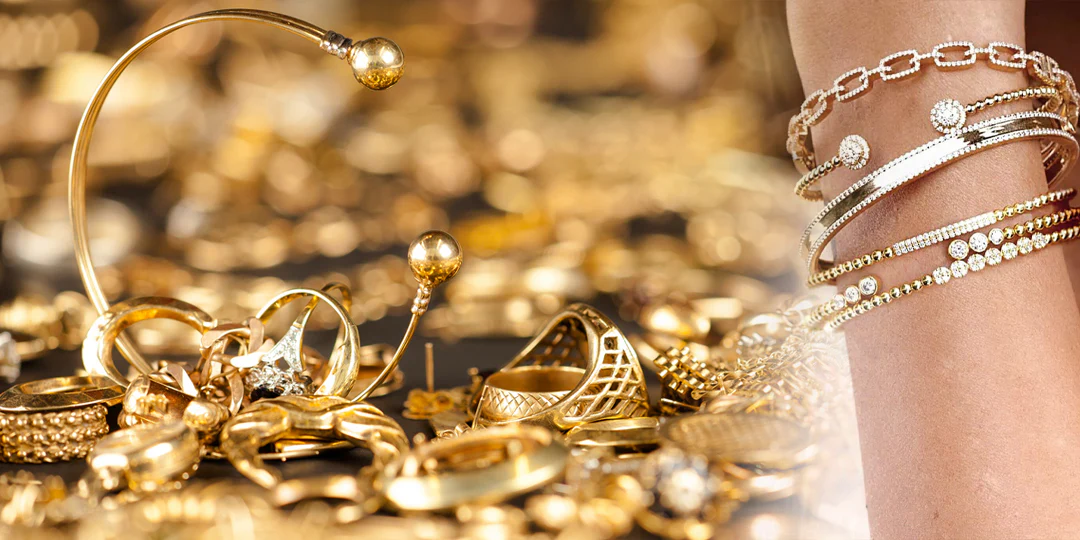
Gold, silver, and platinum remain top choices for their durability and luxurious appearance. Each metal offers unique characteristics, allowing designers to craft pieces that suit various tastes.
Gemstones
Gemstones add brilliance and personality. Some of the most beloved varieties include:
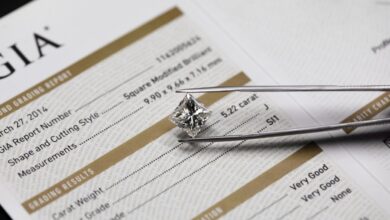
- Diamonds
- Sapphires
- Emeralds
- Rubies
Contemporary Alternatives
Modern trends embrace materials such as recycled metals, lab-grown diamonds, and gemstone substitutes, making fine jewelry more accessible and environmentally conscious.
Choosing Jewelry That Suits You
Match Your Style
Understanding your aesthetic—classic, modern, bold, or minimalist—helps guide jewelry selection. Choose pieces that feel natural and authentic.
Consider Purpose and Occasion
Everyday jewelry should be comfortable and sturdy, while special-occasion pieces can be more ornate or delicate.
Evaluate Craftsmanship
High-quality jewelry demonstrates clean settings, precise finishes, and secure clasps. These details ensure longevity and value.
Personal Meaning
Many wearers choose jewelry with emotional significance, from heirlooms to customized pieces representing milestones or memories.
Caring for Your Jewelry
Cleaning Essentials
- Use mild soap and warm water for routine cleaning
- Avoid abrasive chemicals
- Gently polish metals with a soft cloth
Smart Storage
Store jewelry separately to prevent scratches. Soft-lined cases or individual pouches work well.
Professional Maintenance
Routine inspections help maintain structural integrity, especially for gemstone settings and fine metalwork.
FAQs
1. How can I preserve the shine of gold jewelry?
Regular gentle cleaning and proper storage help maintain its natural luster.
2. What makes platinum different from white gold?
Platinum is naturally white, denser, and more durable, while white gold is alloyed and often rhodium-plated.
3. Are lab-grown gemstones durable?
Yes, lab-created gems share the same hardness and chemical composition as their natural counterparts.
4. What type of jewelry is best for sensitive skin?
Hypoallergenic options like platinum, titanium, and high-karat gold minimize irritation.
5. How do I choose a necklace length that suits me?
Consider neckline style, body proportions, and personal comfort when selecting length.
6. Why do some gemstones require special care?
Certain stones, such as opal or pearl, are softer and sensitive to heat, chemicals, or impact.
7. Is vintage jewelry a good investment?
Many vintage pieces offer unique craftsmanship and lasting value, making them appealing collector items.