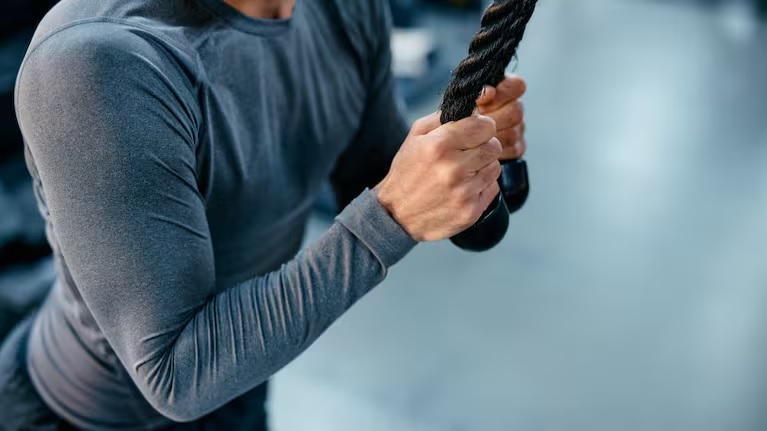
In today’s fitness and sports training, recovery has taken center stage. These days, athletes, runners, gym-goers, and even those with physically demanding occupations are more conscious about their bodies’ recovery speed from exercise, travel, or extended periods of activity. Because of this compression clothing has grown in popularity. As many people believe it enhances comfort, muscle support, and recovery after exercise.
The expanding market for compression recovery gear, which comprises tights, tops, sleeves, and recovery-focused sportswear intended to promote muscular stability and circulation during training and recovery sessions, includes compression garments.
Recovery Is Now a Bigger Part of Training
Nowadays, a lot of athletes don’t just concentrate on performance when working out. Because effective recovery can reduce pain, enhance consistency, and support long-term training goals, recovery practices have become equally vital.
Typical applications for compression recovery equipment include:
- Endurance sports and running
- Gym workouts and weight training
- Recuperation after exercise
- Long flights and travel
- Training for team sports
- Workplaces that are physically taxing
Demand for recovery-focused activewear and high-compression sportswear has surged due to this growing interest.
How Compression Gear Works
The purpose of compression clothing is to impart regulated pressure to particular joints and muscle groups. In order to promote circulation and muscular stability, several products use graded compression, which varies pressure levels throughout the garment.
Compression gear is worn by some users for:
- Support for the muscles during exercise
- Decreased vibration of the muscles
- Recuperation following physical activity
- Enhanced comfort when standing or traveling for extended periods of time
- Warm-up assistance prior to exercise
Popular Types of Compression Recovery Gear
These days, compression clothing comes in a variety of designs based on training requirements and recuperation objectives.
Compression Clothes
Because they strengthen the main lower-body muscle groups, they are frequently utilized for jogging, strength training, and recuperation periods.
Compression Heads
Intended to support the muscles of the upper body while enhancing comfort during exercise or rest.
Compression Shorts
Popular among athletes who need to maintain muscle support around their thighs and hips while yet having flexibility.
Socks and Recovery Sleeves
Frequently applied on the arms, knees, or calves to improve circulation and reduce swelling during travel or recovery.
Features Many Athletes Look For
Compression gear of today is made with comfort and performance in mind.
Important characteristics frequently consist of:
- Fabric that wicks away moisture
- Materials that are breathable
- Increase your flexibility
- Lightweight design
- Odor-resistant technology
- To lessen chafing, use flatlock seams
For both land and water training, graduated compression support recovery tights also have antibacterial fabric, SPF 50+ protection, and quick-drying materials.
Why Recovery Apparel Is Popular Beyond Sports
Professional athletes are no longer the only ones who utilize compression clothing. Due to its comfort and supportive qualities, recovery gear is now widely used in daily activities.
Wearing compression gear is typical for:
- Regular vacationers
- Novices in fitness
- Healthcare workers, including nurses
- Members of the military
- Construction workers and warehouse employees
- People who stand for a long time
Recovery clothing has become a common feature of everyday sportswear trends too.
Common Situations Where Compression Gear Is Used
In certain circumstances where muscular soreness or exhaustion may be more apparent, people frequently wear compression recovery equipment. Some examples are:
- Following rigorous workouts
- In the days of recovery
- After competitive sporting events
- Long-distance journeying
- Running a marathon
- Post-training assistance or rehabilitation
For the best assistance, it is also advised to wear certain recovery clothes for a few hours following workouts.
Choosing the Right Compression Apparel
Different compression products are made for varying levels of exercise and objectives.
Many people take into account the following while choosing compression gear:
- Level of compression
- Size and fit
- Breathability
- Purpose of use
- Durability of the fabric
- Short versus full-length styles
- Comfort throughout extended periods of wear
Because too-tight clothing can be uncomfortable and too-loose clothing can lessen support efficacy, proper sizing is crucial.
Final Thoughts
Athletes, fitness enthusiasts, and energetic people seeking extra muscle support and recovery-focused clothing are increasingly turning to compression recovery gear. Compression clothing is increasingly often utilized in both sports and daily activities, from training sessions to travel recuperation.
Comfort, circulation, and muscular stability can all be supported by using high-quality compression recovery equipment, which also fits in well with contemporary training and recuperation practices.


